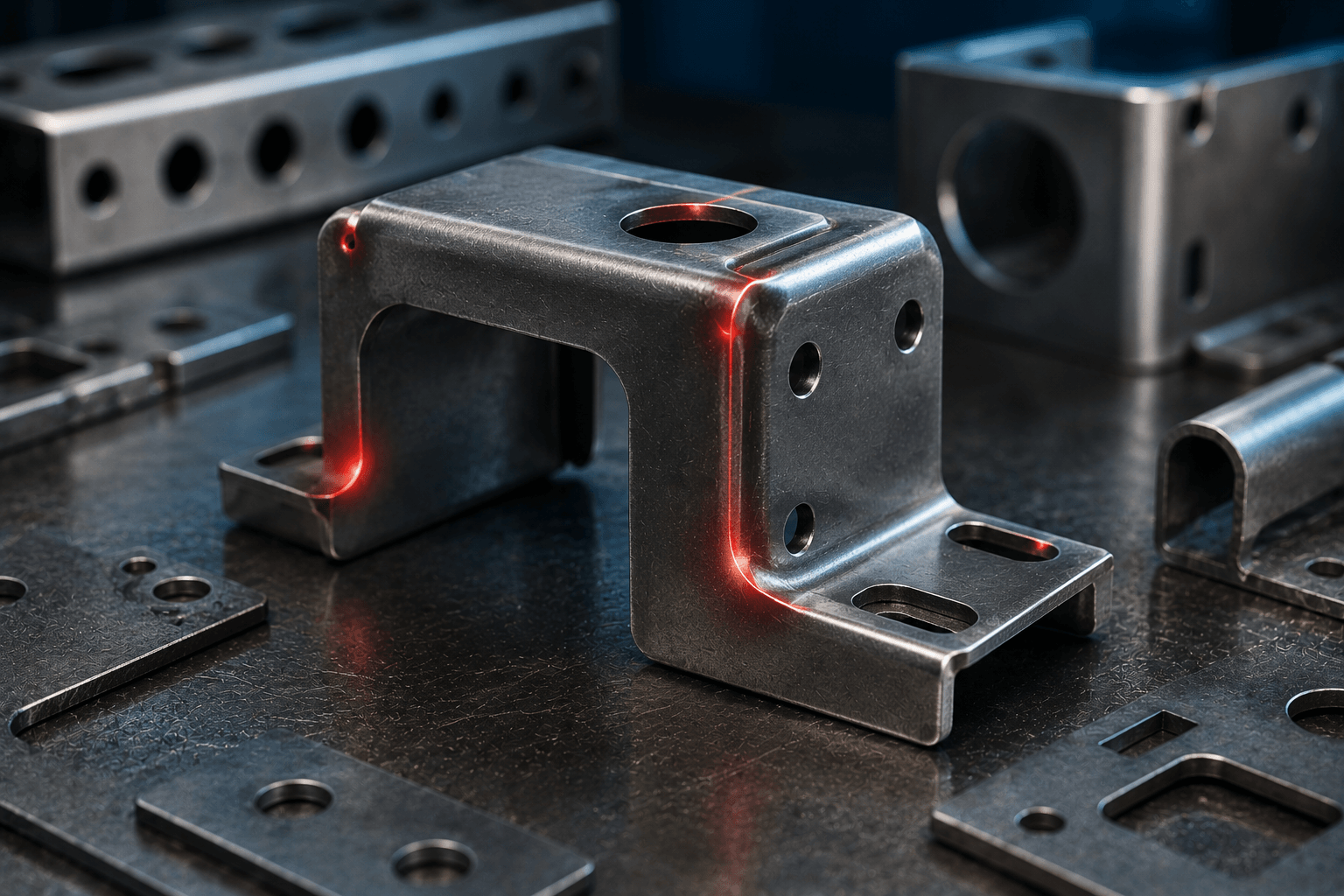
Stress concentration describes a local increase in stress within a material, driven by geometry, loading, or manufacturing effects. In stress-formed components, this behaviour shapes how parts perform under load and how long they last in service.
Formed metal parts carry inherent variation. Bends, cut-outs, and thickness changes interrupt uniform stress flow. These interruptions create localised peaks, referred to as metal component stress points. Under static load, these areas may deform. Under cyclic loading, they act as origins for fatigue cracks.
Design and fabrication decisions directly influence these outcomes. Geometry, forming methods, and joining processes define where stress builds and how it distributes. A clear understanding of stress concentration metal behaviour allows engineers to predict failure risks and refine designs before production.
At Greengate Metal Components, this approach is built into our sheet metal fabrication services, where forming methods and material behaviour are considered together to maintain structural performance.
At Sharp Corners And Tight Internal Radii
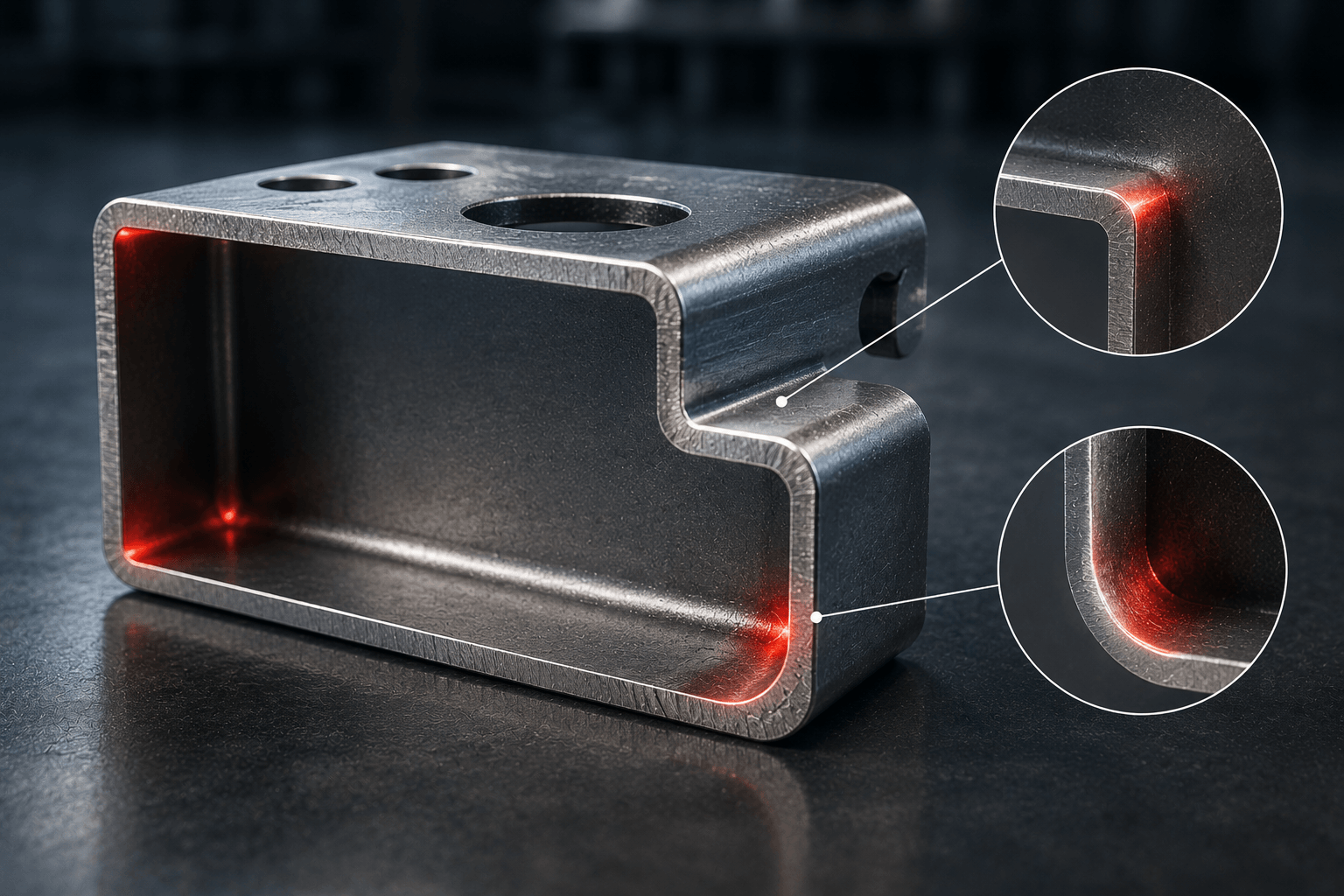
Sharp internal corners create abrupt changes in load direction. Stress cannot be distributed evenly across these features. It concentrates at the corner apex, producing high local stress values.
Tight radii increase this effect. As the radius reduces, the stress concentration factor rises. This makes sharp transitions one of the most common sources of failure in formed parts.
Rounded features reduce this concentration. A larger internal radius spreads stress across a wider area, lowering peak intensity. This supports effective metal design stress reduction without changing function.
During forming, tight radii introduce added strain into the material. The combined effect of geometric stress and forming strain increases the likelihood of cracking, particularly in higher-strength alloys.
Around Holes Slots And Cut Outs
Openings interrupt the natural path of load through a component. Stress redistributes around the feature, increasing intensity at the edges. These regions become key metal component stress points.
The shape and placement of openings influence stress behaviour:
- Circular holes distribute stress more evenly
- Slots create elongated stress zones with higher peak values at the ends
- Features placed close to edges reduce the available material for load transfer
- Reinforcement, such as ribs or local thickening, can reduce peak stress
Careful positioning and geometry selection play a central role in managing stress risers in fabrication.
Along Bend Lines And Formed Edges
Forming processes introduce plastic deformation along bend lines. This alters the material structure and creates local strain concentration.
During bending, the outer surface stretches and thins. The inner surface compresses. This creates non-uniform stress across the bend, which remains in the part as residual stress from metal forming.
Sharp bends increase strain levels. Smaller radii raise both forming stress and in-service stress. Over time, these areas may develop cracks under repeated loading.
Formed edges present similar risks. Material stretching during shaping creates zones where fatigue performance reduces. Early-stage input through design for manufacture helps address these issues before tooling is defined, allowing bend radii and geometry to align with material behaviour.
At Changes In Section Thickness
Abrupt changes in thickness disrupt stress flow. Load transfers from one section to another without a gradual path, increasing local stress intensity.
A sudden step from thick to thin material creates a defined stress concentration point. The thinner section carries higher stress, while the transition edge becomes a focal area for failure.
Gradual transitions reduce this effect. Tapers, fillets, and blended profiles allow stress to redistribute more evenly. This improves structural performance and extends service life.
Thickness changes must align with forming capability. Poor transitions can introduce added strain during manufacturing, increasing overall stress concentration.
Near Welded Joints And Heat Affected Zones
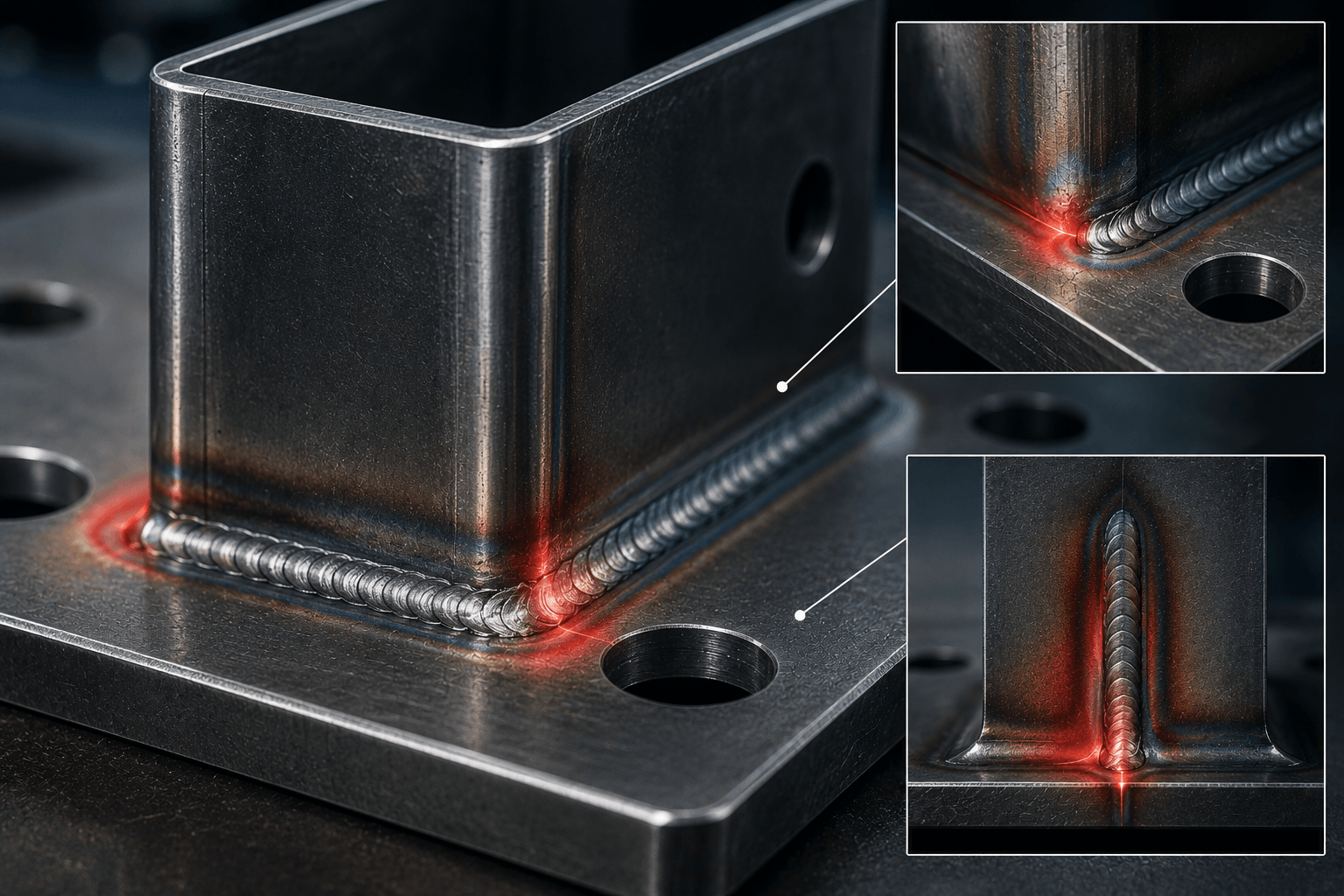
Welding changes material properties in the surrounding area. Heat input alters grain structure and reduces strength in the heat-affected zone.
Residual stresses develop as the weld cools. These combine with service loads, increasing total stress in the joint.
Geometric discontinuities at weld toes act as stress risers in fabrication. Small imperfections or sharp transitions raise local stress levels.
Cracking risk increases under cyclic loading. Weakness in the heat-affected zone, combined with stress concentration, creates a clear failure path.
At Notches Grooves And Geometric Discontinuities
Geometric discontinuities interrupt uniform load distribution. Notches, grooves, and abrupt profile changes create localised stress increases.
These features act as crack initiation points. The sharper the discontinuity, the higher the stress concentration factor. Even small details can affect performance in high-load applications.
Fabricated components often include these features for mounting or clearance. Controlling their geometry reduces risk and supports consistent load transfer.
In Areas Subjected To Repeated Loading
Cyclic loading drives fatigue in metal components. Repeated stress cycles create microscopic damage that builds over time.
Cracks begin in areas with high stress concentration. These cracks grow with each cycle until failure occurs.
Features such as bends, holes, and welds become critical under fatigue conditions. Even moderate stress levels can lead to failure when repeated.
Understanding fatigue in metal components requires attention to both geometry and load conditions. Reducing stress concentration improves long-term reliability.
Where Residual Stresses Are Concentrated After Forming
Residual stress remains in a component after processes such as bending, cutting, or welding. These stresses exist without external load and affect how the part performs in service.
Forming introduces uneven strain across the material, creating zones of tension and compression locked within the structure.
Residual stress can distort components, reduce load capacity, and accelerate crack initiation. When combined with operational stress, total stress may exceed expected limits.
Managing residual stress metal forming effects requires control at both design and production stages. Greengate Metal Components supports this through coordinated forming processes and material-aware setup, helping maintain stability across production runs.
For components where stress performance is a concern, early review can prevent failure in service. Use our contact page to discuss a specific application or resolve an issue within an existing design.