
10 Feb 2026
How Bend Radius Selection Impacts Strength In Sheet Metal Bending
In many drawings, the metal bend radius appears as a small dimension tucked beside an angle callout. It can look...

You’ll spot it in kitchens, building facades, factory lines and vending machines — sheet stainless steel doesn’t really stick to one role. It’s sleek, stays strong under pressure, and doesn’t give grime or corrosion much to work with.
What makes it so handy, though, is how well it adapts. From cut-to-shape panels to smooth, hygienic finishes, it usually starts with stainless steel sheet metal fabrication done right, like the kind Greengate delivers every day.
Buildings do more than stand up straight — they’ve got to look the part, handle the weather, and stay that way for years. Sheet stainless steel makes this surprisingly straightforward. It’s flat, clean-edged, and easy to form into statement panels, subtle trims or smooth cladding. And once it’s up, it tends to stay there looking just as sharp.
From full-height rainscreens to smaller decorative inserts, stainless steel panels bring modernity without needing constant maintenance. They’re weather-tough and give architects freedom to play with finishes that hold their own for decades.
Public interiors deal with knocks, scuffs, and more fingerprints than anyone wants to clean. Laser-cut sheet stainless is often the first choice — durable, easy to keep clean, and sharp enough to sit in high-spec fit-outs. At Greengate Metal Components, our architectural metalwork services support everything from lift interiors to entrance features.
You’ll find sheet stainless steel worked into stairwells as both a safety feature and a finish. Tread plates and railing cladding resist wear and bring a clean, modern edge to everyday footfall.
While cars might look sleek on the outside, there’s a lot going on beneath those surfaces — and sheet stainless steel helps hold much of it together. It’s formed into panels, shields, and guards that need to be both lightweight and resilient. That mix of strength and flexibility makes it a practical material across modern vehicle design.
External styling panels often rely on stainless steel’s ability to keep a clean finish, even after years on the road. Trim pieces and door skins shaped from sheet provide impact resistance without weighing the car down.
In electric models, stainless panels protect high-voltage battery units. They act as a barrier against moisture, debris and temperature shifts — all cut to precision and easy to replicate at volume.
Where there’s heat, there’s often stainless. Underbody heat shields and deflectors made from pressed stainless steel help control temperature flow and shield delicate parts from thermal stress.
Factories that deal with food don’t get much wiggle room — everything needs to be spotless, tough, and built to cope with daily cleaning. Sheet stainless steel fits right in. It’s flat, sealed and doesn’t absorb grime or odours. From wall panels to workstations, it shows up where hygiene comes first.

Pressed stainless wall sheets help keep food zones compliant. They’re sealed, smooth and can handle disinfectants without breaking down — ideal for splash-prone prep areas.
Where water and waste are constant, stainless steel makes surfaces safer. Welded sink surrounds and backsplash panels keep joints minimal and cleaning quick.
Refrigerated units need to stay cool and clean, inside and out. Stainless steel linings make that easier — corrosion-resistant, wipeable and hard-wearing. It’s one of many areas where metal components for food processing help manufacturers meet tight standards.
Hospitals and labs don’t take shortcuts when it comes to cleanliness, and neither does stainless steel. In clinical environments, where every surface gets scrubbed, sprayed, and wiped down repeatedly, flat-panelled stainless fittings are a practical must. They’re easy to sterilise, resistant to chemicals, and don’t trap bacteria.
Made from laser-cut sheet, these smooth-surfaced units handle loads without rusting or warping. The flat edges reduce catch points and make disinfection more reliable.
Operating tables, prep stands and equipment rests all benefit from stainless tops. They stay level, hold weight, and don’t mind frequent clean-downs.
Sheet stainless gets bent into sleek, enclosed units for gloves, gowns and sanitisers — simple to refill, tough to damage, and neat on the wall.
Energy infrastructure might look rugged, but plenty of it starts with precisely shaped sheet metal. Stainless steel plays a role in keeping systems sealed, supported and weather-resistant — especially when corrosion or temperature swings are part of the job.
Laser-cut sheet panels form the skins of outdoor and indoor control boxes. They’re sealed tight, resistant to the elements, and protect sensitive tech from both moisture and interference.
Behind the panels, it’s stainless brackets and rails that hold things in place. Sheet parts are often pressed into support arms or joining plates — simple, reliable and rust-resistant.
Where temperature matters, stainless performs. Panels in heating or cooling systems stay leak-free and corrosion-proof, even with aggressive fluids running through.
There’s not much forgiveness in coastal environments — constant moisture, airborne salt and UV exposure all work overtime to wear down surfaces. That’s why stainless steel is so commonly used in marine equipment and shoreline installations. Flat stainless sheet, in particular, gets shaped into weatherproof covers, panel linings and access boxes that can handle long-term use without flaking, rusting or needing layers of protective coatings.
Large stainless panels are folded and joined to create protective shells over pumps, valves and hydraulic systems. These help prevent splash damage and shield gear from the elements.
Boats and marinas often use stainless-fronted lockers for tool and gear storage. The flat, sealed surfaces keep things dry and resist the usual signs of wear — dents, rust and hinge failure.
From dockside lighting to onboard systems, stainless enclosures protect the electrics. Cut and pressed to spec, they help keep salt and spray where it belongs — outside.
Factory floors are hard on gear — lots of vibration, grease, and shifting loads. Sheet stainless steel fits into this picture nicely. It’s durable, easy to wipe down, and tough enough to act as a protective shell without adding unnecessary bulk. You’ll find it wrapped around housings, bolted to machines, or slotted into place as operator guards.
Flat stainless panels get pressed or bent into exterior skins that keep moving parts out of reach and help with temperature control, especially near motors or gearboxes.
Control desks often include stainless sheet fascias. They’re easy to label, wipeable, and don’t warp when environments heat up or cool down.
On production lines, sheet stainless works well in angled chute panels and protective guards, particularly where product flow or user safety needs a reliable barrier.
Shops, stations and public buildings don’t just need to look tidy — their fixtures have to hold up to heavy footfall, cleaning, and the odd knock from a trolley. Sheet stainless steel shows up in plenty of the right places. It’s slim, clean-edged and easy to finish in satin, brushed or mirrored styles.
Used for plinths, countertops or brand panels, stainless fascias create a polished feel without fuss. They clean easily and resist scratches in high-contact zones.
At floor level, stainless kickplates protect doors and walls from scuffs, trolleys and feet. Often laser-cut and formed to spec.
Flat sheet is perfect for etched or cut-out signage — simple to fix to walls or plinths, with a finish that doesn’t fade over time.
From kitchens to utility rooms, stainless steel turns up in plenty of everyday appliances — and not just for looks. Flat sheet parts give these machines their structure, help them stay clean, and keep them running longer under heat, steam and regular use.
Pressed stainless panels on ovens and hobs take heat, splashes and knocks without staining or warping. They’re easy to clean and tough enough to last for years.
Inside dishwashers, stainless steel panels resist constant moisture, detergent, and temperature swings — all without rusting or retaining smells.
Often formed from a single sheet, splashbacks protect walls and make post-cooking cleanup quicker. Grease and steam wipe away without staining or streaking.
When tech needs protection, stainless steel often does the job quietly in the background. Sheet metal enclosures are shaped to fit, easy to seal, and built to last — whether on a shop floor, tucked into a cabinet, or out where the weather’s not kind.
Flat stainless panels form the shell of electrical units, offering tamper resistance, moisture protection, and a clean finish that fits both industrial and commercial settings.
Front panels, doors and payment surrounds on vending machines often rely on stainless. They’re secure, fingerprint-resistant, and stay looking sharp in public spaces.
Mounted on machinery or building systems, these flat panels are cut to allow switches, screens and indicators through — all in the right place, every time.
Whether it’s shaping public spaces, keeping food production spotless or protecting vital electronics, sheet stainless steel earns its place. It’s reliable, precise and looks the part too.
If you need advice, support or full-spec stainless steel sheet metal fabrication, talk to the team here at Greengate Metal Components. We’re ready to help you build smarter, cleaner and stronger.

In many drawings, the metal bend radius appears as a small dimension tucked beside an angle callout. It can look...

When engineers specify sheet metal laser cutting, attention usually centres on material grade, thickness and available laser power. Those inputs...
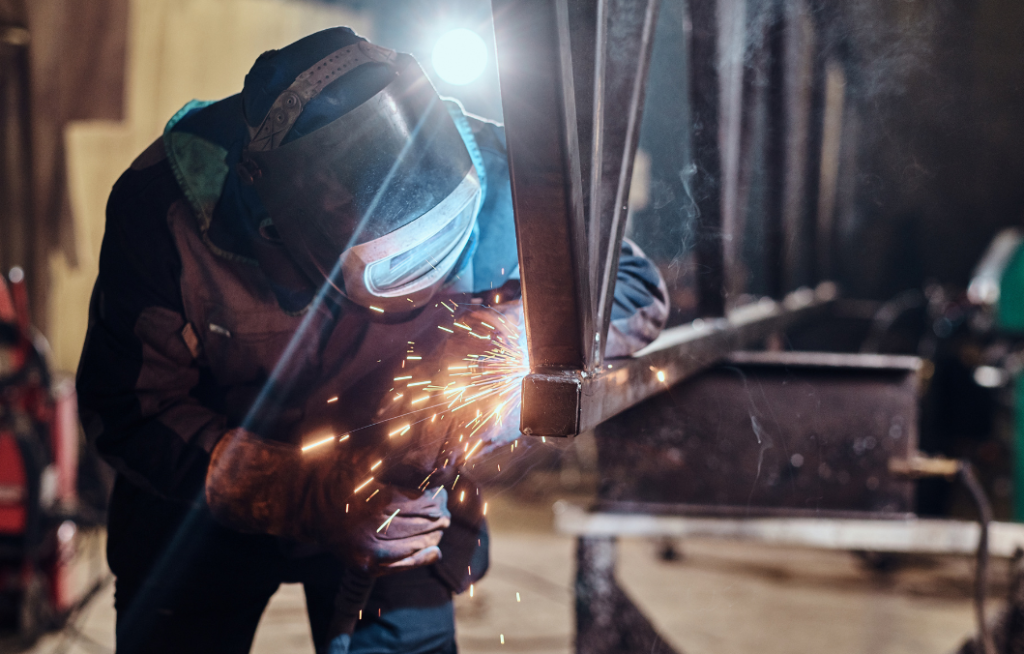
Welding distortion is not random. It is the predictable result of thermal expansion followed by constrained contraction. When weld metal...